
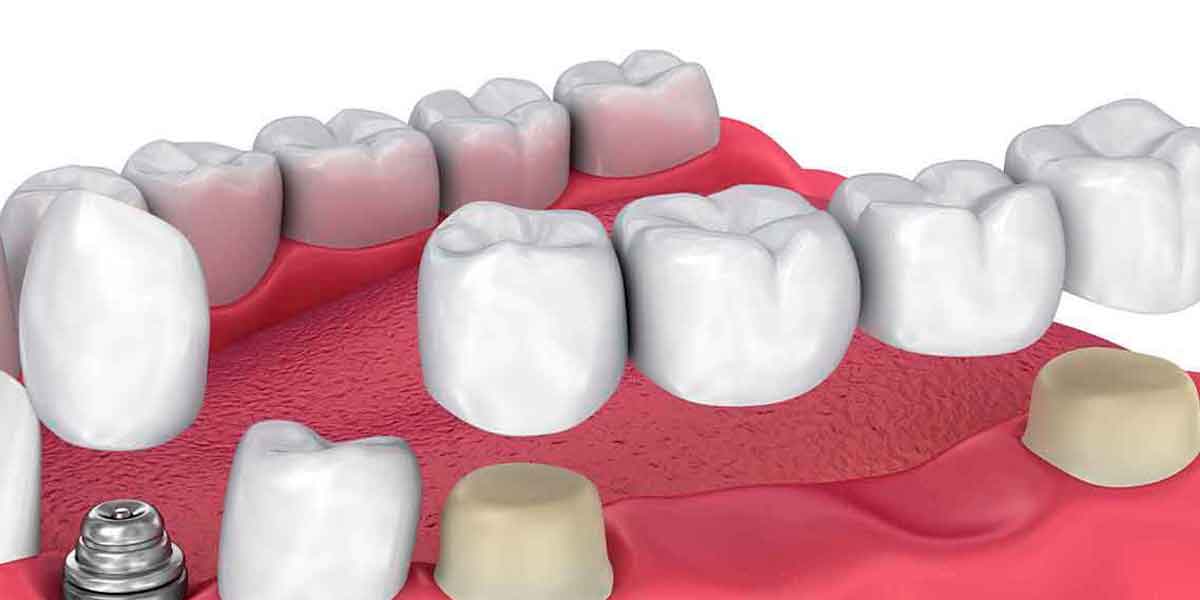

Dental implants and bridges are two of the most popular options for replacing missing teeth. Both treatments aim to restore functionality and aesthetics, but they differ in terms of procedure, longevity, and overall benefits. In this article, we will compare dental implants and bridges to help you understand which treatment might be the better choice for your dental needs.
Understanding Dental Implants
Dental implants are artificial tooth roots made from biocompatible materials like titanium. These implants are surgically placed into the jawbone, where they fuse with the bone over time, providing a stable foundation for a replacement tooth, bridge, or denture.
Procedure for Dental Implants
The process of getting dental implants involves several steps:
- Initial Consultation: The dentist assesses your oral health and bone density to determine if you are a suitable candidate for implants.
- Surgical Placement: The implant is surgically placed into the jawbone under local anesthesia.
- Osseointegration: The implant fuses with the jawbone over a few months, creating a stable base.
- Abutment Placement: An abutment is attached to the implant, connecting it to the replacement tooth.
- Final Restoration: A custom-made crown, bridge, or denture is attached to the abutment.
Benefits of Dental Implants
- Durability and Longevity: Dental implants can last a lifetime with proper care.
- Natural Appearance: Implants look and feel like natural teeth.
- Preservation of Jawbone: Implants stimulate the jawbone, preventing bone loss.
- No Impact on Adjacent Teeth: Implants do not require altering neighboring teeth.
Understanding Dental Bridges
Dental bridges are fixed prosthetic devices that replace one or more missing teeth by anchoring to adjacent natural teeth or dental implants. A bridge typically consists of one or more artificial teeth (pontics) held in place by crowns on the neighboring teeth.
Procedure for Dental Bridges
The process of getting a dental bridge involves the following steps:
- Initial Consultation: The dentist evaluates your oral health and discusses the best type of bridge for your needs.
- Tooth Preparation: The adjacent teeth are reshaped to accommodate the crowns that will support the bridge.
- Impressions: Impressions of your teeth are taken to create a custom bridge.
- Temporary Bridge: A temporary bridge is placed while the permanent bridge is being made.Final Placement: The custom-made bridge is fitted, adjusted, and cemented into place.
Benefits of Dental Bridges
- Quicker Process: Bridges typically require fewer appointments and less healing time compared to implants.
- Effective Solution: Bridges can restore function and aesthetics effectively.
- Cost-Effective: Bridges are generally less expensive than implants initially.
- Non-Surgical Option: Bridges do not require surgery, making them suitable for patients who cannot undergo implant surgery.
Comparing Dental Implants and Bridges
Both dental implants and bridges have their advantages and limitations. Here are some key factors to consider when choosing between the two:
Durability and Longevity
Dental implants are known for their durability and longevity. With proper care, they can last a lifetime. In contrast, bridges may need to be replaced every 10 to 15 years due to wear and tear or changes in the supporting teeth.
Aesthetics and Functionality
Both implants and bridges can provide natural-looking results. However, dental implants often offer superior aesthetics and functionality as they mimic the structure of natural teeth. Bridges can also look natural but may not feel as natural as implants.
Impact on Adjacent Teeth
Dental implants do not impact adjacent teeth. In contrast, bridges require the reshaping of neighboring teeth to support the bridge, which can weaken those teeth and make them more susceptible to decay and damage.
Bone Preservation
One of the significant advantages of dental implants is their ability to preserve the jawbone. Implants stimulate the bone, preventing bone loss that typically occurs after tooth loss. Bridges do not provide this benefit, and the jawbone under the missing tooth may deteriorate over time.
Cost Considerations
Initially, dental implants are more expensive than bridges. However, considering their durability and the potential need for bridge replacement in the future, implants may be more cost-effective in the long run. It’s essential to consider both the short-term and long-term costs when making a decision.
Surgical vs. Non-Surgical
Dental implants require surgery, which might not be suitable for everyone, especially those with certain medical conditions or insufficient bone density. Bridges, being a non-surgical option, are more accessible for patients who cannot undergo surgery.
Which Option Is Right for You?
Choosing between dental implants and bridges depends on various factors, including your oral health, budget, and personal preferences. Consulting with a qualified dentist is crucial to determine the best option for your specific needs.
Factors to Consider
- Oral Health: Assess the condition of your teeth, gums, and jawbone.
- Budget: Consider the initial and long-term costs of each option.
- Medical History: Discuss any medical conditions that may affect your ability to undergo surgery.
- Aesthetic Goals: Determine which option provides the desired aesthetic results.
- Long-Term Goals: Consider the longevity and maintenance requirements of each option.
Consultation with Your Dentist
Your dentist will evaluate your oral health, take diagnostic images, and discuss your goals and concerns. They will provide a personalized recommendation based on your specific needs, helping you make an informed decision.
Conclusion
Both dental implants and bridges offer effective solutions for replacing missing teeth, each with its advantages and considerations. Dental implants provide a long-lasting, natural-looking, and bone-preserving option, while bridges offer a quicker, non-surgical, and cost-effective alternative. Ultimately, the best choice depends on your unique dental situation and goals. Consulting with a knowledgeable dentist will ensure you receive the best possible care and achieve a healthy, beautiful smile.